

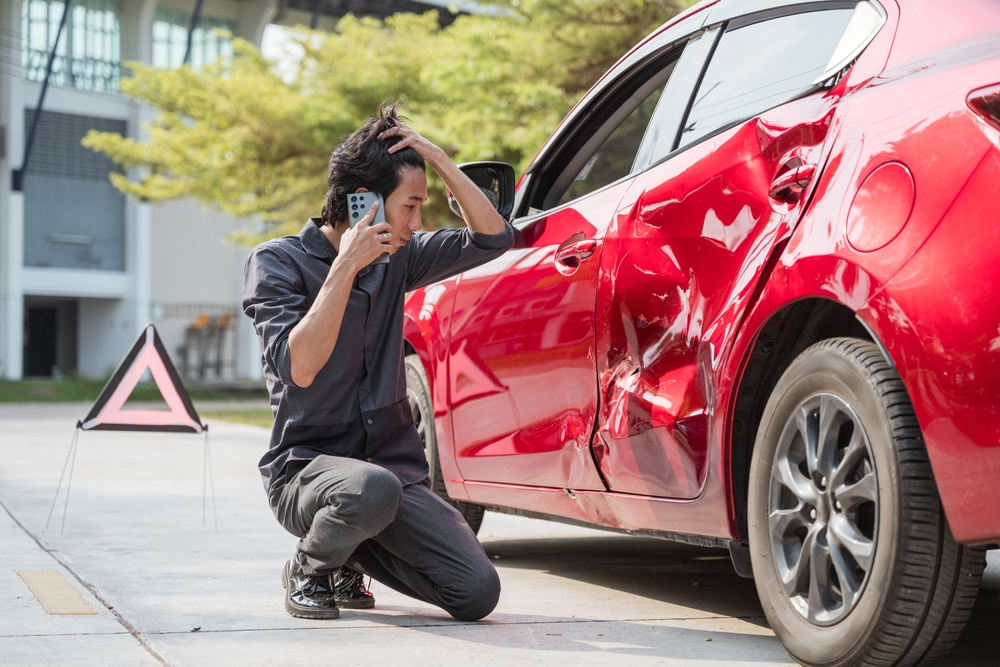
After a collision, it is tempting to look at your car, see a dent or a scratch, and assume you have a clear picture of what needs to be fixed. The reality is that what you can see is often just the beginning. Collisions affect layers of materials, systems, and components that are not visible from the outside, and some of the most important damage is the kind you cannot spot without a professional inspection.
Understanding the types of collision damage that require auto body repair helps you make sense of why a thorough evaluation matters, even when the impact looked minor. This guide walks through each damage type, what it affects, and why leaving it unaddressed creates bigger problems down the road.
Collision Damage Is Not Always What It Looks Like
Modern vehicles are engineered to absorb impact energy through layered materials and designed crumple points. That engineering protects passengers, but it also means damage travels. A low-speed hit that leaves a small dent on the surface can still affect brackets, structural mounts, and safety components behind the panel.
Visual inspection alone does not tell the full story. Many types of collision damage only become visible after partial disassembly during the repair process. That is why auto body repair in Brooklyn starts with a structured damage assessment before any repair work begins, and why estimates sometimes change once the vehicle is opened up and inspected properly.
Cosmetic Collision Damage
Cosmetic damage is often the most noticeable type of collision damage, but it can still require professional repair to prevent future issues.
Dents and creases
Dents and creases occur when body panels absorb impact force. Even small dents can stretch metal or crack paint, allowing moisture to reach the surface underneath. Over time, this exposure can lead to corrosion that spreads beyond the original damage area.
Scratches and paint damage
Scratches that penetrate the clear coat or paint layers expose bare metal or plastic. This type of collision damage often requires refinishing through professional Car Painting to restore protection and maintain exterior durability.
Cracked or damaged trim
Trim pieces and bumper covers are designed to flex during impact. When they crack or lose shape, replacement is often required to ensure proper fit and appearance.
Bumper and Impact Absorption Damage
Your bumper system is engineered specifically to absorb and distribute collision energy. What you see on the outside is only one layer of a multi-component system.
Bumper Cover Damage
The outer bumper cover is what most people notice after a collision. Cracks, distortion, or missing sections are obvious. What is less obvious is that the cover is protecting internal components that may have absorbed the actual force of the impact.
Energy Absorbers and Reinforcement Bars
Behind the cover sit energy absorbers and reinforcement bars designed to compress or deform during impact. Once these components are compromised, they cannot perform their function in a future collision. Replacement is typically required as part of a complete auto body repair.
Bumper systems are tied directly to occupant safety. Repairing only the visible cover without addressing the internal components is an incomplete repair.
Structural Collision Damage
Structural damage is the most serious category on this list because it affects the core integrity of your vehicle. It also tends to be the least visible without specialized equipment.
Frame or Unibody Misalignment
Most modern vehicles use unibody construction, meaning the frame and body are one integrated structure. Collisions can cause shifts in that structure that are completely invisible from the outside but measurable with precision alignment tools. A vehicle with undetected unibody misalignment handles differently, wears tires unevenly, and performs worse in a future collision.
Crumple Zone Deformation
Crumple zones are the areas of your vehicle designed to collapse in a controlled way during impact, absorbing energy before it reaches the passenger cabin. Once those zones deform, they need to be properly repaired or replaced. A crumple zone that has already collapsed cannot do its job again.
Weld and Joint Stress
Impact forces travel through the structure and can weaken welds and joints in areas beyond the direct point of contact. Addressing this type of damage requires frame straightening in Brooklyn to restore proper alignment and structural integrity before any cosmetic work begins.
Panel and Body Alignment Issues
You do not need to see a major dent to know something is off. A door that does not close cleanly, a hood that sits unevenly, or a trunk that will not latch properly are all signs of underlying body alignment problems.
These issues indicate that the vehicle’s structure or mounting points shifted during the collision. Misaligned panels are not just an aesthetic concern. Gaps in panel alignment allow water intrusion and wind noise, and they signal that the vehicle was not fully restored after the accident.
Panel alignment issues require correction through auto body repair, not just cosmetic touch-up work.
Suspension and Steering Damage
Collisions transfer force through the entire vehicle, and suspension and steering components absorb a significant portion of that force, even in impacts that look contained.
Bent control arms, damaged mounting points, and shifted suspension geometry affect how your car handles and how your tires wear. You might not notice the difference immediately, but the effects build over time. Collision-related damage to mounting areas frequently overlaps with auto body repair because restoring proper suspension geometry requires correcting the structural areas those components attach to.
If your car pulls to one side, vibrates at speed, or wears tires unevenly after an accident, suspension damage is a likely contributor.
Safety System and Sensor Damage
This is the category that surprises most drivers. Your vehicle’s safety systems rely on sensors positioned behind bumpers, within panels, and near structural areas. Those sensors do not need to take a direct hit to be affected by a collision.
Airbag sensors, backup cameras, parking assist components, and driver assistance features can all be displaced or damaged even when exterior damage appears minor. A sensor that is physically intact but slightly out of position will not function correctly.
Proper auto body repair ensures that every safety system is checked, correctly positioned, and functioning before the vehicle goes back on the road.
Glass and Window Damage
Windshields are structural components in modern vehicles, not just transparent barriers. They contribute to roof strength and cabin rigidity. A cracked windshield that goes unrepaired spreads quickly due to vibration and temperature changes, and it weakens the structural role the glass is designed to play.
Side and rear window damage affects weather sealing and security. Replacement should be handled correctly to restore the factory seal and prevent water intrusion over time.
Hidden Damage Found During Disassembly
Disassembly is one of the most important steps in a thorough collision repair, and it is where hidden damage gets discovered. Panels and trim that looked intact from the outside can conceal bent brackets, damaged mounts, compromised wiring, and cracked components that never showed up during the initial walkthrough.
This is one reason why auto body repair timelines vary and why initial estimates sometimes change once the vehicle is properly opened up. Finding hidden damage early and addressing it fully is what separates a complete repair from a cosmetic one.
Why Proper Auto Body Repair Matters
Each type of collision damage affects your vehicle differently, but they share a common thread: incomplete or improper repairs create compounding problems. Structural issues left unaddressed compromise how your car handles a future impact. Cosmetic damage left untreated leads to corrosion. Sensor displacement leads to safety system failures that show up at the worst possible moments.
Proper auto body repair:
- Restores structural integrity to manufacturer specifications
- Ensures all safety systems are positioned and functioning correctly
- Seals the vehicle against corrosion and moisture intrusion
- Maintains vehicle value and performance over time
After an accident, repair planning also involves coordinating documentation through insurance claims for collision damage to make sure every affected area is covered and accounted for.
Frequently Asked Questions
Collision damage that affects appearance, alignment, safety systems, or structural components typically requires auto body repair. Even minor impacts can cause hidden damage, which is why professional inspection is recommended after an accident.
Cosmetic damage may not affect drivability immediately, but it can expose materials to moisture and corrosion. Over time, this can lead to more extensive repairs if left untreated.
Structural collision damage can often be repaired using specialized equipment and procedures. Accurate measurement and alignment are essential to restore safety and performance.
Vehicles are designed with layered structures that absorb impact energy. Damage can spread beyond visible areas, making disassembly necessary to identify all affected components.
Drivers can find auto body repair services in Brooklyn NY through online listings that provide location details, operating hours, and customer feedback. Reviewing a local provider’s Google Business Profile can help confirm basic information.
Collision damage is rarely limited to what you can see. Cosmetic damage creates corrosion risk. Bumper systems hide compromised internal components. Structural shifts are invisible without precision equipment. Safety sensors get displaced without showing obvious signs. Hidden damage waits until disassembly to reveal itself.
The only way to know what your vehicle actually needs after a collision is a thorough professional inspection. Addressing every affected area, not just the visible ones, is what restores your vehicle to a safe, reliable condition.