

If you have ever dropped your car off at a body shop and wondered what actually happens between handing over your keys and picking up a repaired vehicle, you are not alone. The auto body repair timeline can feel like a black box, and that uncertainty makes an already stressful situation harder.
The truth is, repairs do not happen all at once. Your vehicle moves through a series of stages, each with a specific purpose tied to safety, accuracy, and quality. Knowing what those stages are helps you set realistic expectations, understand why timelines vary, and feel confident that the work being done is thorough, not rushed.
Here is exactly what happens at each stage of the auto body repair process.
Stage 1: Initial Vehicle Intake and Damage Assessment
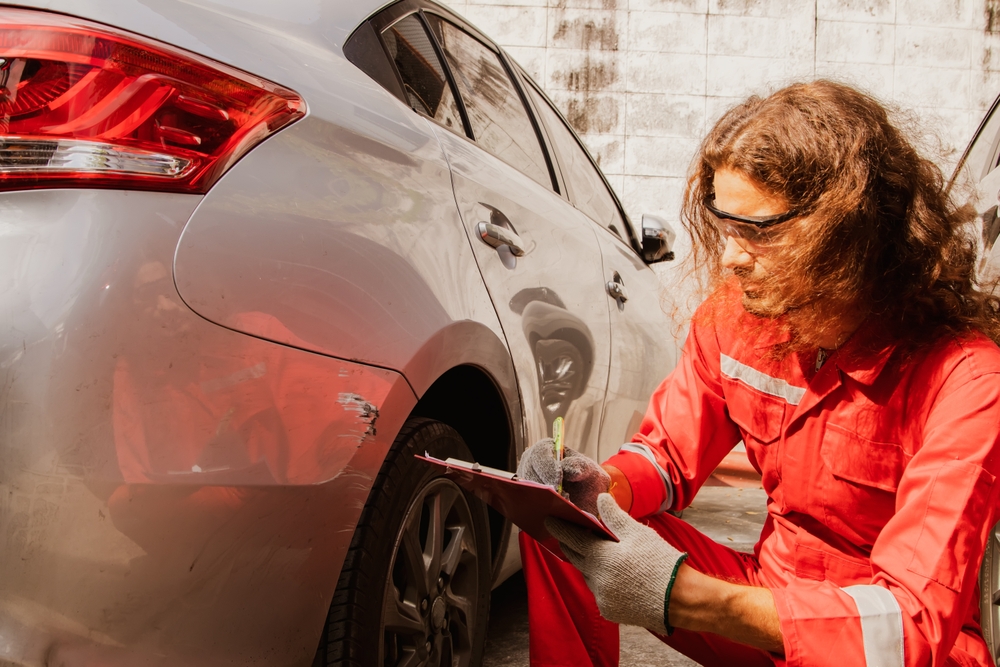
The process starts the moment your car arrives at the shop. A technician performs a full intake inspection to document the vehicle’s condition and identify visible damage. This includes exterior damage like dents, cracked panels, broken lights, and misaligned body lines, as well as early signs of structural or mechanical issues that may not be obvious from the outside.
Photos are taken at this stage to support repair planning and insurance documentation. If your vehicle was towed in after a collision, this inspection is what kicks off the entire repair process. You can learn more about how auto body repair in Brooklyn begins with a thorough damage assessment before any work is scheduled.
This stage sets the foundation for everything that follows. A rushed or incomplete assessment here leads to surprises later.
Stage 2: Repair Planning and Initial Estimate
Once the assessment is done, the shop builds a repair plan and puts together an initial estimate. This covers which parts need to be repaired or replaced and what labor is involved.
Here is something important to understand: the initial estimate is a starting point, not a final number. Modern vehicles are layered and complex. Some damage only becomes visible once the car is partially disassembled. The estimate will be updated if additional damage is found later in the process.
If your repair involves an insurance claim, this is where documentation becomes critical. The estimate needs to align with what your insurer approves. Working with a shop experienced in insurance claims for collision damage helps keep that process moving without unnecessary back-and-forth.
Stage 3: Disassembly and Hidden Damage Inspection
This is one of the most important stages in the entire timeline, and one of the least understood.
Damaged panels, trim pieces, and exterior components are removed so technicians can access the areas underneath. What they find during disassembly often changes the scope of the repair. Bent brackets, damaged sensors, structural issues, and misaligned components are all common discoveries that were not visible during the initial walk-around.
Hidden damage is not a sign of a bad initial inspection. It is simply the reality of how modern vehicles are built, with layered materials and integrated safety systems that compress and absorb impact in ways that are not always visible from the surface.
If additional damage is found here, the repair plan and estimate are updated before work continues.
Stage 4: Parts Ordering and Scheduling
With disassembly complete and the full scope of repairs confirmed, the shop orders the parts needed. This includes replacement panels, structural components, hardware, and any specialized materials the repair requires.
Parts availability is one of the biggest variables in the auto body repair timeline. Some parts ship quickly. Others, especially for newer models or less common vehicles, can take longer due to supply chain factors or manufacturer lead times. This is one reason why two similar repairs do not always take the same amount of time.
While parts are on their way, the repair schedule is finalized so that labor, materials, and equipment are all lined up and ready to go the moment parts arrive.
Stage 5: Structural Repairs and Frame Work
If the collision affected your vehicle’s structure, this stage is where that gets corrected. Frame and unibody repairs focus on restoring your vehicle’s structural dimensions to manufacturer specifications using precision measuring equipment.
This stage matters more than most people realize. Even a small structural misalignment affects how your car handles, how your tires wear, and how your safety systems perform in a future impact. Cosmetic repairs built on an uncorrected frame are not a complete repair.
If your vehicle needs frame straightening after a collision, this work is completed and verified before any body or paint work begins.
Stage 6: Mechanical and Safety System Checks
Modern vehicles are packed with integrated electronic and mechanical systems, and collisions affect more than sheet metal. During this stage, technicians inspect and address any mechanical issues connected to the damage.
This can include suspension components, steering systems, cooling systems, and electronic sensors. Safety systems like airbags, backup cameras, and driver assistance features are also tested to confirm they are functioning correctly after the repairs.
Catching these issues before the vehicle moves into cosmetic refinishing prevents costly rework and ensures your car meets safety standards when you get it back.
Stage 7: Body Repairs and Panel Replacement
With structural and mechanical work finished, the timeline moves into body repairs. Damaged panels are repaired or replaced, body lines are realigned, and the vehicle’s exterior shape is restored.
Technicians choose between repairing or replacing panels based on the severity of the damage. Precision matters here because proper panel alignment affects not just how the car looks, but how components fit together and how the vehicle performs aerodynamically.
This stage prepares the vehicle for painting, so the quality of body work directly affects the quality of the finish that follows.
Stage 8: Surface Preparation and Painting
Painting is the most visible stage of the repair timeline, but a lot of invisible work happens before any color goes on.
Repaired surfaces are sanded, cleaned, and primed to ensure the paint adheres properly and the finish comes out smooth. Color matching is handled with precision using modern paint systems designed to replicate factory finishes as closely as possible. Blending techniques are used on adjacent panels to create a seamless transition between new and existing paint.
Once the paint is applied, it is cured and inspected for consistency, coverage, and overall quality before the vehicle moves to the next stage. If you want to understand what professional car painting in Brooklyn involves from prep to finish, this stage is the heart of it.
Stage 9: Reassembly and Final Fitment
After painting, everything that was removed during disassembly gets put back. Trim pieces, panels, lights, and hardware are reinstalled and checked for correct fit and function.
Technicians verify panel gaps, alignment, and hardware placement to confirm that the vehicle looks and performs the way it should. This stage is where all the individual phases of the repair come together into a finished product.
Stage 10: Quality Control and Final Inspection
Before your car is ready for pickup, it goes through a final quality control inspection. This review covers the completed repairs, system functionality, and cosmetic work to make sure everything meets the required standard.
Any adjustments identified during this stage are addressed before the vehicle is cleared for delivery. Quality control exists because individual repair stages can look correct in isolation but reveal fitment or finish issues when the full vehicle is assessed together.
This step is not a formality. It is what separates a repair that looks finished from one that actually is.
Stage 11: Cleaning and Delivery Preparation
The final stage is straightforward but important. The interior and exterior are cleaned, and the vehicle is prepared for pickup in a condition that reflects the work that was done.
Final documentation is completed at this stage, and any remaining questions about the repair process are addressed before you drive away. The goal is simple: return your vehicle in a condition that is clean, complete, and clearly finished.
Why Auto Body Repair Timelines Vary
No two collisions are exactly alike, which is why repair timelines differ from job to job. The factors that most commonly affect how long repairs take include:
- The severity and type of damage
- Your vehicle’s make, model, and parts availability
- Whether hidden damage is discovered during disassembly
- Insurance approval timing
- Structural repair complexity
Understanding these variables explains why a minor fender repair might take a few days while a significant collision repair takes several weeks. Both timelines can be correct depending on what the vehicle actually needs.
If you are renting a car while your vehicle is being repaired, car rentals through Cyclone Collision Center are available to keep you moving while the work is being done.
Frequently Asked Questions
The length of the auto body repair timeline depends on the extent of the damage and the stages involved. Minor repairs may take only a few days, while more complex collision repairs can take several weeks, especially if structural work or parts delays are involved.
Disassembly allows technicians to identify hidden damage that cannot be seen during the initial inspection. Finding this damage early helps ensure repairs are complete and safe, but it can add time if additional work or parts are needed.
In many cases, certain steps such as inspections or disassembly may begin while insurance documentation is being reviewed. However, major repairs typically proceed once approval and repair scope are confirmed through the insurance process.
Delays often occur due to parts availability, additional damage discovered during disassembly, or scheduling constraints. These factors are common and help ensure repairs are done correctly rather than rushed.
Drivers can find auto body repair services in Brooklyn NY through online listings that show service details, operating hours, and customer feedback. Reviewing a local provider’s Google Business Profile can help confirm basic information before scheduling repairs.
The auto body repair timeline is a multi-stage process designed to restore vehicles safely and accurately after a collision. Each stage, from inspection and disassembly to painting and final inspection, plays a specific role in ensuring quality results.
Understanding what happens at each stage helps drivers set realistic expectations and appreciate why thorough repairs take time. When the process is followed carefully, the result is a vehicle that has been properly evaluated, repaired, and prepared for safe use on the road.