

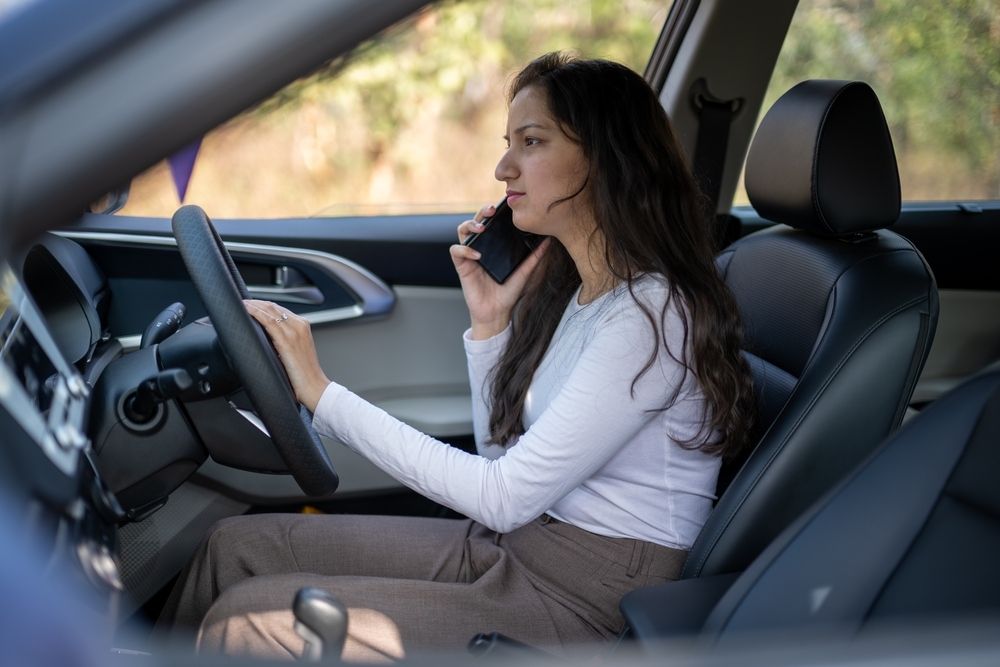
You are pulled over on the side of the road, hazards blinking, waiting for a tow truck in Brooklyn. The question that crosses almost every driver’s mind in that moment is a simple one: should I stay in the car or get out?
It sounds like it should have a straightforward answer. It does not. Whether staying in your car is the right call depends entirely on where you stopped, what kind of road you are on, what is happening around you, and how your vehicle came to a stop. Getting this decision wrong can put you in more danger than the breakdown itself.
This guide breaks down exactly when it is safer to stay inside, when you should get out, and what to do in the specific situations drivers face most often while waiting for a tow truck.
Why This Decision Matters More Than Most Drivers Realize
Not all roads are created equal. A densely trafficked borough like this one has a mix of high-speed highways, narrow residential streets, busy commercial corridors, and everything in between. The right answer to the stay-or-exit question on the Belt Parkway is completely different from the right answer on a slow residential side street or a parking lot.
Understanding your environment is the first step in making the right call.
When You Should Stay in Your Car
There are specific situations where staying inside the vehicle is clearly the safer choice.
You are stopped on a highway or high-speed road
If your car has broken down on the BQE, the Belt Parkway, the Staten Island Expressway approach, or any other high-speed road, staying inside the vehicle is generally the safer option. According to the NHTSA, vehicles traveling at highway speeds give drivers very little reaction time when they spot a stopped car on the shoulder, and a person standing outside that car is far more exposed than someone seated inside with a seatbelt fastened.
Keep your seatbelt on even while parked. If another vehicle strikes yours from behind, the seatbelt significantly reduces your risk of injury from the impact.
There is no safe place to stand outside
Surface streets in this area are notoriously narrow. On streets like 4th Avenue, Flatbush Avenue, or Atlantic Avenue, there may be no usable sidewalk space near where your car has stopped, especially if you are near a bus stop, a construction zone, or a stretch with no curb. If there is nowhere safe to stand outside the vehicle, staying inside is better than standing in or near moving traffic.
Visibility is low
Rain, fog, and darkness all reduce how quickly approaching drivers can spot you. If conditions make it hard to see and hard to be seen, the interior of your vehicle offers more protection than standing on the road. Make sure your hazards are on and stay low in your seat to reduce your profile in the event of an impact.
You are in an unfamiliar or unsafe area
Personal safety matters too. If you have broken down in an area where you do not feel safe standing outside alone, especially late at night, staying in your locked vehicle while you wait for the tow truck is a reasonable and valid choice.
When You Should Get Out of Your Car
There are equally clear situations where exiting the vehicle is the right decision.
There is smoke or fire coming from the engine
This is non-negotiable. If you see smoke, smell burning, or notice any sign of fire, get out of the car immediately and move as far away from it as possible. Do not stop to grab belongings. Get yourself and any passengers out and away from the vehicle before doing anything else.
You are on a surface street at low speed with a clear sidewalk
If you broke down on a slower residential or commercial street and there is a clear, usable sidewalk nearby, getting out and standing on the sidewalk is generally safer than sitting in a car that could be struck from behind. Position yourself near the front of your vehicle, on the sidewalk side, so the tow truck driver can easily identify you when they arrive.
Your car is in an active traffic lane and cannot be moved
If your vehicle died in the middle of a lane and cannot be pushed to safety, the risk of being struck from behind while sitting in the car increases significantly. In this situation, if you can safely open the door away from traffic and reach the sidewalk or a protected area, doing so is the better option. Turn on your hazards, exit carefully, and move well away from the vehicle.
You have passengers who need assistance
If you have children, elderly passengers, or anyone who needs help exiting the vehicle, prioritize getting them out and to a safe location first, especially on slower surface streets where it is manageable to do so safely.
The Specific Scenarios You Are Most Likely to Face
Breakdown on the BQE
Stay in the car. The BQE is a high-speed, high-volume expressway with minimal shoulder space in many sections. Exiting onto the shoulder puts you dangerously close to fast-moving traffic. Keep your seatbelt on, turn on your hazards, and call for a tow truck immediately. If you have road flares or reflective triangles, place them only if you can do so without stepping into traffic.
Breakdown on the Belt Parkway
Stay in the car if you are on the main lanes. The Belt Parkway has slightly more shoulder space in some sections than the BQE, but it is still a high-speed road. If you have managed to pull fully onto the shoulder and there is a guardrail or barrier between you and traffic, you may be able to exit on the passenger side away from traffic. Use your judgment and prioritize the side of the vehicle furthest from moving lanes. The NYC Department of Transportation provides official guidance for motorists on handling disabled vehicles on New York City roads, including parkways and expressways.
Breakdown on Flatbush Avenue, Atlantic Avenue, or Kings Highway
These are busy surface streets but not highways. If you can pull into a parking lane or reach the curb, getting out and standing on the sidewalk is generally safe and recommended. These streets have heavy bus and truck traffic, and a car stopped in or near a travel lane on these corridors is at real risk of being struck.
Breakdown in a parking lot or side street
Get out. Parking lots and slow residential side streets present the lowest risk scenario. Exit the vehicle, stand in a safe spot nearby, and wait for the tow operator to arrive. There is little reason to stay inside in these low-speed environments.
What to Do Regardless of Whether You Stay or Go
Whether you decide to stay in the car or stand outside, these steps apply in every breakdown situation while waiting for a tow truck:
- Turn on your hazard lights immediately and leave them on
- Call for a tow truck and give your exact cross street location
- Keep your phone charged and in your hand
- Do not attempt to fix the vehicle yourself in a live traffic environment
- Stay aware of your surroundings at all times
For a full breakdown of everything you should do from the moment your car stops to the moment the tow truck arrives, read our complete guide on local towing in Brooklyn NY. And if you have ever wondered whether handling the situation yourself is a realistic option, the comparison between professional towing vs doing it yourself is worth reading before you find yourself in this situation again.
Frequently Asked Questions
On highways like the BQE or Belt Parkway, staying in the car with your seatbelt on is generally the safer choice. The risk of being struck by a passing vehicle is higher when standing outside on a high-speed road than when seated inside the stopped car.
Turn on your hazards immediately. If you can safely exit the vehicle away from traffic and reach a sidewalk or barrier, do so. If you cannot exit safely, stay in the car with your seatbelt on and call for a tow truck right away. Never stand behind or beside the car in a live traffic lane.
Put the car in park if you have an automatic transmission, and apply the parking brake. If you are on a slope and the car needs to be pushed by the tow operator, they will handle repositioning safely. Do not leave an automatic vehicle in neutral on a slope.
If your hazards fail, use any available reflective materials, road flares, or a flashlight to signal your position to other drivers. Call for a tow truck immediately and inform the dispatcher that your hazards are not functioning so they can note the urgency.
Yes. If you feel unsafe for any reason, whether due to your location, the behavior of other drivers, or personal safety concerns, calling 911 is always appropriate. NYPD can assist with traffic control and ensuring your safety until the tow truck arrives.
Conclusion
There is no single right answer to whether you should stay in your car or get out during a roadside breakdown. The correct decision depends on your road type, your surroundings, visibility conditions, and whether there is a safe place to stand. What matters most is that you make a conscious, informed choice rather than defaulting to habit or panic.
On highways, stay in the car. On slow surface streets with clear sidewalks, get out. In either case, keep your hazards on, stay aware of traffic, and get a reliable tow truck on the way as quickly as possible. If you want to know more about what to expect when a tow truck arrives, visit our 24/7 towing service page for more information.
Disclaimer
The information provided in this article is intended for general informational purposes only. Roadside safety decisions depend on individual circumstances, road conditions, and local regulations that may change at any time. This article does not constitute legal, safety, or professional advice. Readers should use their own judgment in emergency situations and consult official sources such as the NYC Department of Transportation, NYPD, or a licensed towing professional for guidance specific to their situation. Cyclone Collision Center is not liable for any decisions made based on the information presented in this article.