

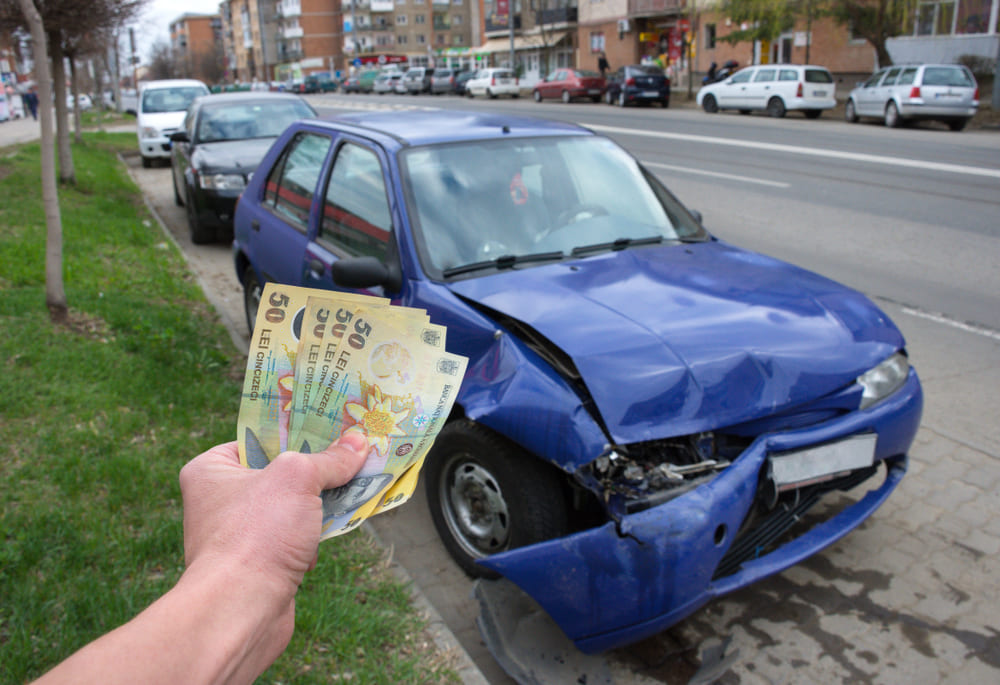
If your car took a hit and you are thinking about skipping the insurance claim, you are not alone. A lot of drivers choose to pay out of pocket to avoid rate increases, protect their no-claims bonus, or simply handle minor damage quickly without the back-and-forth of a claims process. The question is: how much will it actually cost you?
Auto body repair cost without insurance varies widely depending on the type of damage, the size of the affected area, your vehicle make and model, and the shop you choose. In this guide, we break down 2026 price ranges by damage type so you know exactly what to expect before you get an estimate.
What Affects Auto Body Repair Cost?
Before looking at specific numbers, it helps to understand the factors that push prices up or down. Two cars with the same type of damage can carry very different repair bills.
The main factors that affect your cost include:
- Damage severity: A small surface scratch costs a fraction of what full panel replacement costs
- Location of the damage: Doors, hoods, and bumpers are more accessible. Rocker panels and structural components take more labor
- Vehicle make and model: Luxury and European vehicles typically cost more to repair due to part prices and specialized materials
- Paint matching: Metallic, pearl, and multi-coat finishes require more time and materials to match accurately
- Labor rates: Rates vary by shop and region. In New York City, labor rates are generally higher than national averages due to operating costs
- OEM vs. aftermarket parts: Original manufacturer parts cost more but are often required for proper fit and warranty compliance
Keeping these factors in mind will help you interpret any estimate you receive and understand why two quotes for similar damage can differ significantly.
Auto Body Repair Cost by Damage Type
Costs reflect typical out-of-pocket ranges for the most common damage types and will vary based on your vehicle make, model, and location. Here is what you can expect to pay for auto body work and car repair in 2026.
Scratch Repair
| Scratch Type | Estimated Cost |
|---|---|
| Surface clear coat scratch | $150 to $300 |
| Single panel paint scratch | $300 to $600 |
| Deep scratch reaching bare metal | $600 to $1,200 |
Surface scratches that only affect the clear coat are the least expensive to fix. A light polish or touch-up can handle them at the low end. Deep scratches that cut through the paint layer and reach bare metal require sanding, primer, paint, and clear coat application, which increases both labor time and material cost.
Dent Repair
| Dent Type | Estimated Cost |
|---|---|
| Small dent, no paint damage (PDR) | $75 to $300 |
| Medium dent, minor paint damage | $300 to $600 |
| Large dent or crease with paint damage | $600 to $1,500 |
Paintless dent repair (PDR) is the most affordable option for small dents where the paint is intact. A technician uses specialized tools to push the dent out from behind the panel without sanding or repainting. When paint is damaged or the dent involves a crease, traditional bodywork is required, which adds time and cost.
Bumper Repair or Replacement
| Repair Type | Estimated Cost |
|---|---|
| Minor bumper scuff or scratch repair | $200 to $500 |
| Cracked bumper repair | $400 to $900 |
| Full bumper replacement (parts and labor) | $800 to $2,000+ |
Bumpers are one of the most common repair items for Brooklyn drivers navigating tight parking situations and heavy stop-and-go traffic. Whether you need a scuff buffed out or a cracked bumper replaced entirely, costs depend on whether the bumper can be repaired or needs full replacement.
Fender Repair or Replacement
| Repair Type | Estimated Cost |
|---|---|
| Minor fender dent or scratch repair | $300 to $750 |
| Moderate fender repair with paint | $500 to $1,200 |
| Full fender replacement | $900 to $2,500 |
Fender damage is common after sideswipes and parking lot collisions. If the fender can be straightened and repainted, the cost stays on the lower end. If the metal is too damaged to repair properly, replacement is the better option for both appearance and safety.
Door Repair or Replacement
| Repair Type | Estimated Cost |
|---|---|
| Minor door ding or scratch repair | $250 to $700 |
| Moderate door dent with paint damage | $600 to $1,500 |
| Full door replacement | $1,000 to $3,500 |
Door damage ranges from cosmetic dings that are barely noticeable to deep dents that prevent proper closure. Full door replacement becomes necessary when the door shell is too damaged to repair, or when the door frame itself is bent. Parts and labor costs vary significantly based on vehicle make and model.
Hood Repair or Replacement
| Repair Type | Estimated Cost |
|---|---|
| Minor hood dent repair | $300 to $800 |
| Moderate hood damage with paint work | $600 to $1,500 |
| Full hood replacement | $900 to $3,000+ |
Hood damage after a front-end collision ranges widely in cost depending on the severity. A minor dent with intact paint can often be handled with PDR. More significant hood damage, especially on vehicles with complex body lines or aluminum hoods, requires more labor and higher material costs.
Frame Straightening
| Damage Level | Estimated Cost |
|---|---|
| Minor frame misalignment | $600 to $1,200 |
| Moderate frame damage | $1,000 to $2,500 |
| Severe structural damage | $2,500 to $10,000+ |
Frame straightening is among the most serious and expensive repairs a vehicle can need. According to National Highway Traffic Safety Administration (2025), vehicle structural integrity directly affects occupant safety in a crash. After a significant collision, the vehicle’s frame may be bent or shifted, affecting alignment, handling, and crash protection. The cost depends on how much of the frame is affected and the extent of realignment required.
Full Car Painting
| Paint Type | Estimated Cost |
|---|---|
| Basic single-stage repaint | $500 to $1,500 |
| Standard multi-coat repaint | $1,500 to $4,000 |
| High-quality full repaint | $4,000 to $10,000+ |
A full car painting job is typically needed after extensive collision damage or when fading and oxidation affect the entire vehicle. Price depends on the paint type, the number of coats, surface preparation required, and whether body panels need repair before painting.
How to Keep Auto Body Repair Costs as Low as Possible
American Automobile Association (2024) recommends getting a written, itemized estimate before approving any repair work, so you can see exactly what you are paying for in parts and labor separately. Here are practical steps to make sure you are not overpaying:
- Get at least two estimates before committing. Prices vary between shops even for identical work.
- Ask specifically about PDR for small dents. It is faster and significantly cheaper than traditional bodywork when the paint is intact.
- Ask whether aftermarket parts are an option. For older vehicles where factory parts are not required, aftermarket parts can reduce material costs.
- Address damage quickly. A small scratch left untreated can lead to rust, which turns a minor repair into a major one.
- Choose a shop that provides a written estimate and itemizes parts and labor separately so you can see exactly what you are paying for.
Frequently Asked Questions
Minor auto body repairs such as small scratch removal, surface dents, and light bumper scuffs typically range from $150 to $600. The exact cost depends on the size of the affected area, whether paint work is needed, and the type of repair technique used. Paintless dent repair is the most affordable option when paint is not damaged.
It depends on the cost of the repair relative to your deductible and how it might affect your insurance premium. For repairs under $1,000, paying out of pocket is often the smarter financial choice. For larger repairs involving structural damage, airbag systems, or major panel replacement, filing a claim is usually more practical.
Major collision damage involving multiple panels, frame straightening, and mechanical components can cost anywhere from $2,500 to $10,000 or more. The final cost depends on the extent of the damage, the vehicle make and model, parts availability, and labor rates in your area.
Yes. New York, and Brooklyn in particular, tends to have higher auto body repair costs than the national average. Labor rates in New York City reflect the higher cost of operating a shop in the area. Parts costs are generally consistent, but total repair bills can run 15 to 25 percent higher than in lower-cost regions.
The most reliable way to get an accurate estimate is to bring your vehicle to a reputable auto body and car repair shop for an in-person assessment. Photos sent remotely can miss hidden damage. A thorough in-person inspection allows the technician to identify all affected areas, including structural damage that is not visible on the surface.
In some cases, yes. Independent shops may have more flexibility than dealership service centers. Asking whether aftermarket parts are available, whether PDR is an option for your damage type, or whether there are any current promotions can all bring the price down. Always get any agreed pricing in writing before approving work.
The Bottom Line on Auto Body Repair Costs
Auto body repair costs without insurance range from as little as $150 for minor surface scratches to $10,000 or more for severe structural damage. The final price depends on the type of damage, your vehicle make and model, and the labor rates in your area. For minor repairs below your deductible, paying out of pocket is often the smarter choice. For structural or multi-panel damage, filing a claim usually makes more financial sense.
Whatever the damage, getting a written itemized estimate from a shop you trust is always the right first step. If you want to learn more about what professional repair work involves, visit our body work and car repair page.