

If your car breaks down unexpectedly, the last thing you want to do is figure out which tow truck to call while standing on the side of the road. But here is the thing: not all towing services work the same way, and using the wrong method for your vehicle can cause damage that was not there before.
Understanding the different types of towing services helps you make a faster, smarter decision when something goes wrong. This guide breaks down each method, how it works, and when it is the right choice for your situation.
What Towing Services Are Actually Designed to Do
Towing exists to safely move vehicles that cannot or should not be driven. That covers a lot of ground, from a dead battery that roadside assistance cannot fix, to a car that took serious damage in a collision and should not be on the road at all.
The right towing method depends on a few key factors:
- Your vehicle’s weight and size
- Your drivetrain type: front-wheel, rear-wheel, or all-wheel drive
- How much damage the car has
- How far it needs to travel
- Where the vehicle is located and how accessible it is
Get those factors right, and your car arrives safely. Get them wrong, and you could be dealing with more repairs than you started with. If you are not sure what your vehicle needs, a 24/7 towing service in Brooklyn can assess the situation and recommend the right method before anything moves.
Flatbed Towing

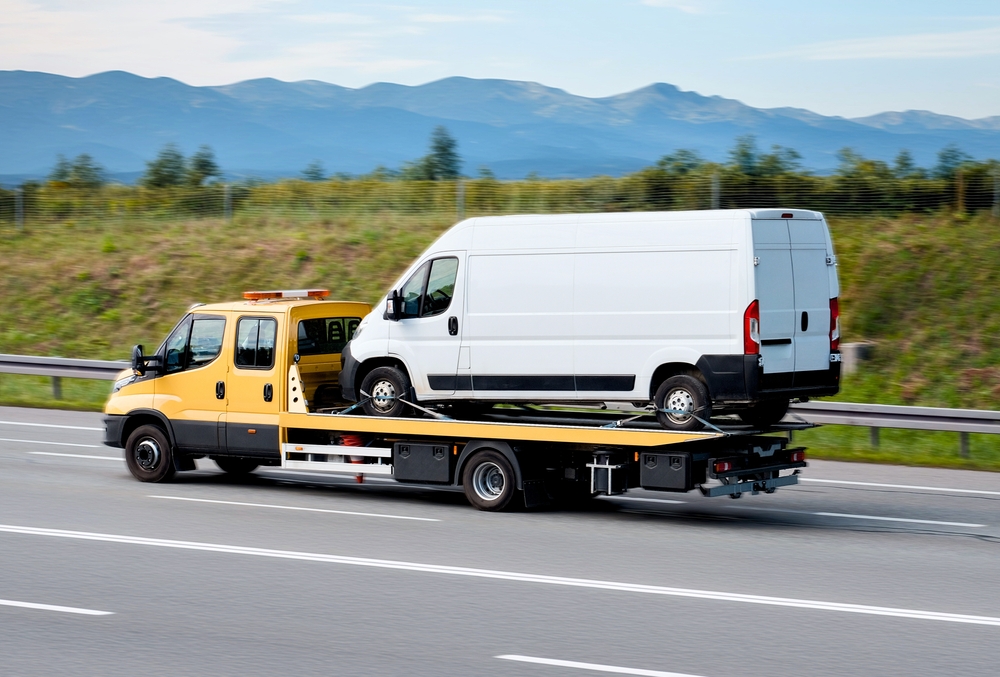
Flatbed towing is one of the safest options available. The entire vehicle rides on a flat platform rather than being dragged behind a truck with some wheels still on the road.
Here is what happens during a flatbed tow:
- The truck’s bed tilts or lowers toward the ground
- Your vehicle is carefully winched up onto the platform
- The bed levels out and your car is secured for transport
Because all four wheels are off the road, your drivetrain, transmission, and suspension are completely protected during the haul.
When Flatbed Towing Is the Right Choice
Flatbed is typically the best option when:
- Your car was involved in an accident and has visible damage
- You drive an all-wheel-drive vehicle
- The car has severe mechanical problems
- You need long-distance transport
- The condition of the vehicle is uncertain
If your car has collision damage, flatbed towing protects it during transport and sets up a smoother handoff for auto body repair in Brooklyn.
Wheel-Lift Towing
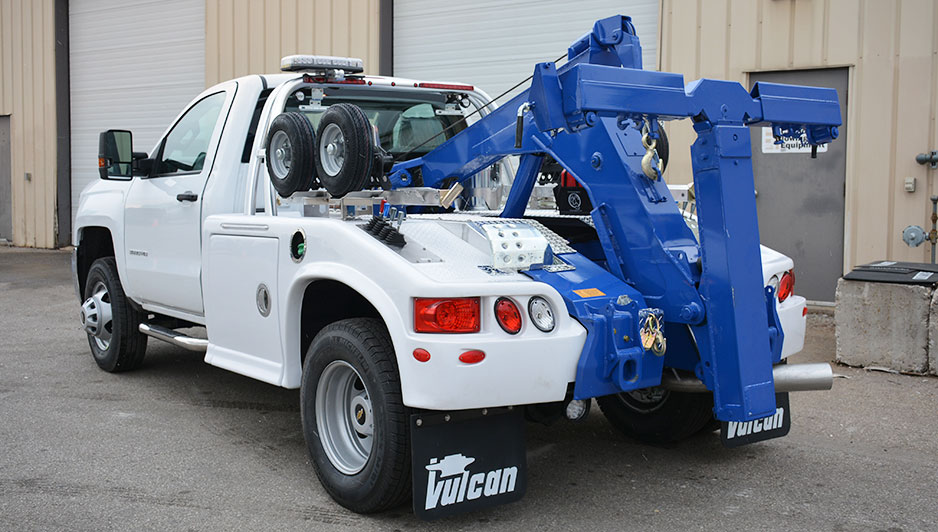
Wheel-lift towing is a common method for shorter distances and urban environments. A metal yoke is positioned under either the front or rear wheels, lifting one end of the vehicle off the ground.
How wheel-lift towing works
Hydraulic arms lift one axle of the vehicle
The remaining wheels stay on the road
Safety straps prevent movement during transport
Wheel-lift towing is more vehicle-friendly than older hook-and-chain methods and allows tow trucks to operate in tight spaces.
When wheel-lift towing is commonly used
Short-distance towing
Vehicles with minor mechanical issues
Cars parked in narrow or congested areas
This method is efficient, but not suitable for every vehicle type.
Integrated (Heavy-Duty) Towing
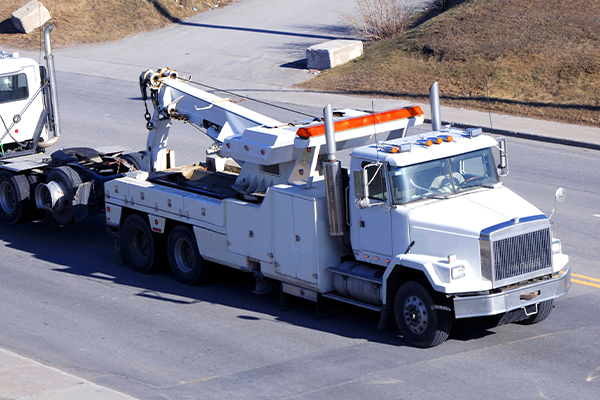
Integrated towing is designed for larger and heavier vehicles that standard tow trucks cannot safely handle. These trucks combine wheel-lift and boom systems with reinforced components.
How integrated towing works
Heavy-duty lifting arms secure the vehicle
Additional axles distribute weight evenly
Advanced controls allow precise maneuvering
When integrated towing is used
Commercial trucks
Buses and large vans
Vehicles carrying heavy loads
This towing method is essential for safely recovering oversized vehicles without compromising stability.
Hook-and-Chain Towing
Hook-and-chain is one of the oldest towing methods still in occasional use. Chains attach directly to the vehicle’s frame or axle, and one end gets lifted off the ground for transport.
This method is rarely used on modern vehicles for good reason. The chain contact creates a high risk of cosmetic and structural damage, and it is not compatible with many newer vehicle frames.
When Hook-and-Chain Is Still Used
You will mostly see this method on:
- Junk or salvage vehicles headed for disposal
- Severely damaged cars with no cosmetic or structural concerns
If your car has any value or any repairs planned, ask for a safer towing alternative. A flatbed or wheel-lift setup protects your vehicle far better, especially if auto body repair after a collision is the next step.
Dolly Towing

Dolly towing involves placing the front wheels of a vehicle onto a small trailer, while the rear wheels remain on the road. This method is sometimes used when flatbed towing is unavailable.
How dolly towing works
Front wheels are secured on a dolly
Rear wheels roll freely
Safety straps stabilize the vehicle
When dolly towing is used
Front-wheel-drive vehicles
Moderate towing distances
Situations with limited truck access
Proper setup is important to avoid drivetrain damage, especially with automatic transmissions.
Motorcycle Towing
Motorcycles require specialized towing equipment to prevent tipping or frame damage. Standard towing setups are not suitable without modification.
How motorcycle towing works
Front wheel chocks stabilize the bike
Straps secure the frame
Flat platforms prevent movement during transport
When motorcycle towing is needed
Breakdowns
Accident recovery
Transport between locations
Using motorcycle-specific towing equipment protects both the bike and surrounding traffic.
Emergency Towing
Emergency towing focuses on rapid response when a disabled vehicle creates an immediate safety concern. These situations often involve traffic hazards or accident scenes.
Characteristics of emergency towing
Fast dispatch times
Emphasis on roadway safety
Coordination with traffic control or law enforcement
Emergency towing helps clear hazards quickly and reduce the risk of secondary accidents.
Roadside Assistance vs. Towing Services
Not every vehicle issue requires towing. Roadside assistance addresses minor problems that can be fixed on the spot.
Common roadside assistance services
Jump-starting dead batteries
Tire changes
Lockout assistance
Emergency fuel delivery
If the vehicle cannot be safely driven after roadside assistance, towing becomes necessary.
How the Appropriate Towing Method Is Determined
Selecting the right towing service depends on several factors:
Severity of vehicle damage
Drivetrain configuration
Distance to the destination
Accessibility of the pickup location
Sharing accurate information with a towing provider helps ensure the correct equipment is used from the start.
Frequently Asked Questions
The towing method is selected based on the vehicle’s drivetrain, size, visible damage, and where the vehicle is located. For example, a vehicle with collision damage or an all wheel drive system may require flatbed towing, while a minor breakdown in a tight parking area may allow for wheel lift towing. Accurate information at the time of the call helps ensure the safest method is chosen.
Towing should not cause additional damage when the correct method is used for the vehicle and situation. Damage usually occurs when an unsuitable towing approach is applied, such as towing a vehicle with drivetrain restrictions without lifting all wheels off the ground. Professional assessment at pickup helps reduce this risk.
Drivers should share the vehicle’s make and model, whether it starts or rolls, any visible damage, and the exact location of the vehicle. Providing clear details allows the towing provider to send the appropriate equipment and avoid delays or improper towing methods.
After an accident, towing focuses first on safety and traffic clearance. Vehicles may need to be moved from active roadways before any repair decisions are made. In many cases, towing is coordinated with inspections or insurance documentation to ensure the vehicle is transported to a suitable location.
You can find towing services in Brooklyn NY through online listings that show service coverage, operating hours, and customer reviews. Checking a local provider’s Google Business Profile helps confirm whether towing services are available in Brooklyn and nearby areas, along with basic details that may be useful before requesting assistance.
Different types of towing services exist to address specific vehicle conditions, safety concerns, and transport needs. Methods such as flatbed towing, wheel lift towing, dolly towing, and heavy duty towing are selected based on factors like vehicle size, drivetrain type, damage level, and location. Understanding how these towing options differ helps drivers respond more confidently when a vehicle cannot be safely driven.
Knowing what each towing method is designed for can reduce uncertainty during roadside situations and help prevent unnecessary vehicle damage. By recognizing when towing is needed and how the appropriate method is chosen, drivers are better prepared to navigate breakdowns, accidents, and other unexpected vehicle issues.