

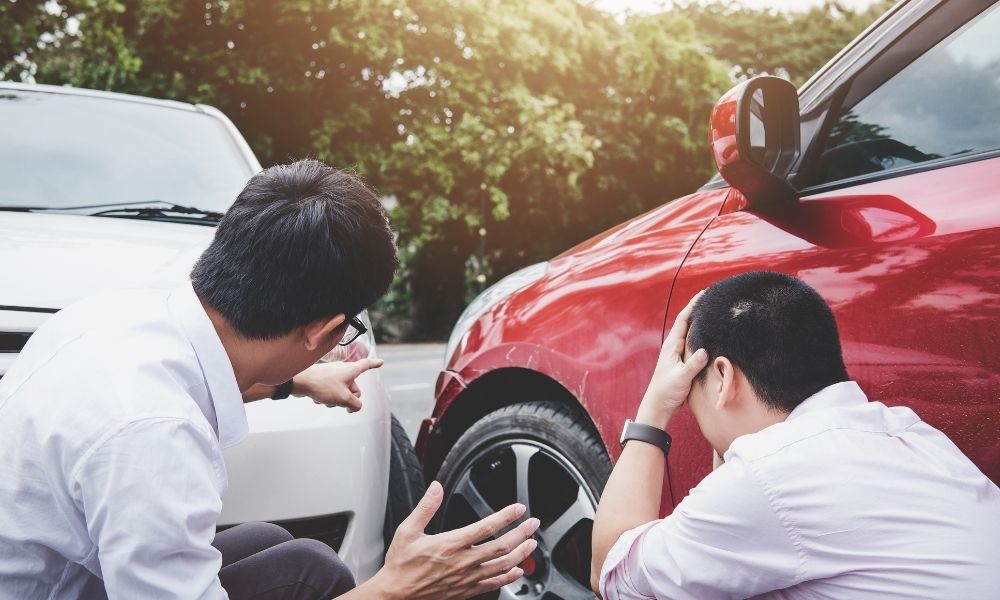
Experiencing a car accident can be an overwhelming and stressful event. Aside from the immediate concerns for safety and well-being, there’s also the practical aspect of getting your vehicle repaired. The question that often arises is: how long does it typically take to repair a vehicle after an accident? At Cyclone Collision Center, we understand the urgency of getting your car back on the road. In this article, we’ll delve into the various factors that affect the repair timeline and provide a general overview of what you can expect during the vehicle repair process.
Initial Assessment and Insurance Approval
The first step in the vehicle repair process is the initial assessment. Once your car is towed or driven to the repair shop, a thorough inspection is conducted to determine the extent of the damage. This involves both a visual inspection and possibly a more detailed diagnostic check to uncover any underlying issues.
Timeframe: 1-3 Days
During this phase, the repair shop will prepare an estimate for the repairs and submit it to your insurance company for approval. The time it takes for the insurance company to approve the estimate can vary, but it generally takes between one to three days. At Cyclone Collision Center, we strive to expedite this process by working closely with insurance companies to minimize delays.
Ordering Parts
Once the insurance company approves the estimate, the next step is ordering the necessary parts. The availability of parts can significantly impact the repair timeline. Common parts that are readily available can arrive within a day or two, while more specialized or rare parts might take longer.
Timeframe: 2-7 Days
If parts need to be shipped from distant locations or if the vehicle is a rare or luxury model, the wait time can be extended. Cyclone Collision Center works with a network of suppliers to ensure that parts are sourced as quickly as possible.
Body Work and Structural Repairs
The actual repair work begins once all necessary parts have arrived. This stage involves bodywork, frame alignment, and any structural repairs needed to restore the vehicle to its pre-accident condition. Skilled technicians at Cyclone Collision Center use state-of-the-art equipment to ensure precision and quality in every repair.
Timeframe: 3-7 Days
Minor dents and scratches might be fixed within a few days, but more extensive damage involving the frame or major body panels can take longer. Structural repairs require meticulous attention to detail to ensure the safety and integrity of the vehicle.
Paint and Finishing
After the structural repairs are completed, the vehicle moves to the paint department. Matching the paint color and ensuring a seamless finish is a critical step that requires skill and precision. The painting process includes sanding, priming, painting, and clear coating.
Timeframe: 2-5 Days
The time required for this step depends on the extent of the painting needed and the drying time between coats. At Cyclone Collision Center, we use advanced painting techniques and materials to achieve a factory-quality finish.
Reassembly and Quality Check
Once the painting is done, the vehicle is reassembled. This involves putting back any parts that were removed during the repair process, such as lights, trim, and interior components. Following reassembly, a thorough quality check is conducted to ensure everything is in perfect working order.
Timeframe: 1-3 Days
This final phase also includes a road test to verify that the vehicle performs correctly. At Cyclone Collision Center, we prioritize quality and safety, ensuring that every repair meets our high standards before the vehicle is returned to the owner.
Total Repair Time
The total time to repair a vehicle after an accident can vary widely based on the factors discussed above. On average, minor repairs can take about a week, while more significant damage might require two to three weeks or longer. Complex cases involving extensive damage or rare parts can take up to a month or more.
Factors Influencing Repair Time
Several factors can influence the overall repair time, including:
- Severity of Damage: More extensive damage requires more time to repair.
- Parts Availability: Delays in getting parts can extend the repair time.
- Insurance Approval: Waiting for insurance approval can cause delays.
- Shop Workload: The current workload of the repair shop can affect how quickly repairs can begin.
- Specialized Repairs: Certain repairs, such as frame straightening, can take additional time.
Conclusion
Understanding the timeline for vehicle repairs after an accident can help you manage your expectations and plan accordingly. Cyclone Collision Center is committed to providing efficient, high-quality repairs to get you back on the road as soon as possible. Our experienced technicians, state-of-the-art equipment, and dedication to customer satisfaction ensure that your vehicle is in the best hands. If you have any questions or need to schedule a repair, please contact us. Trust Cyclone Collision Center to restore your vehicle to its pre-accident condition with precision and care.
By being informed about the repair process and working with a reputable repair shop like Cyclone Collision Center, you can navigate the aftermath of an accident with confidence and ease.