

Table of Contents
- 1. Why Hit and Run Damage Requires a Different Approach
- 2. What Body Shop Hit and Run Damage Assessment Covers
- 3. Your First Steps Before the Body Shop Gets Involved
- 4. How to Document the Scene Before Anything Is Moved
- 5. Filing a Police Report and the MV-104 Form in New York
- 6. How Insurance Coverage Works Without an At-Fault Driver
- 7. What the Body Shop Hit and Run Damage Repair Process Involves
- 8. What Drivers Should Ask Before Authorizing Any Work
- 9. Frequently Asked Questions
- 10. Knowing What to Do Before It Happens
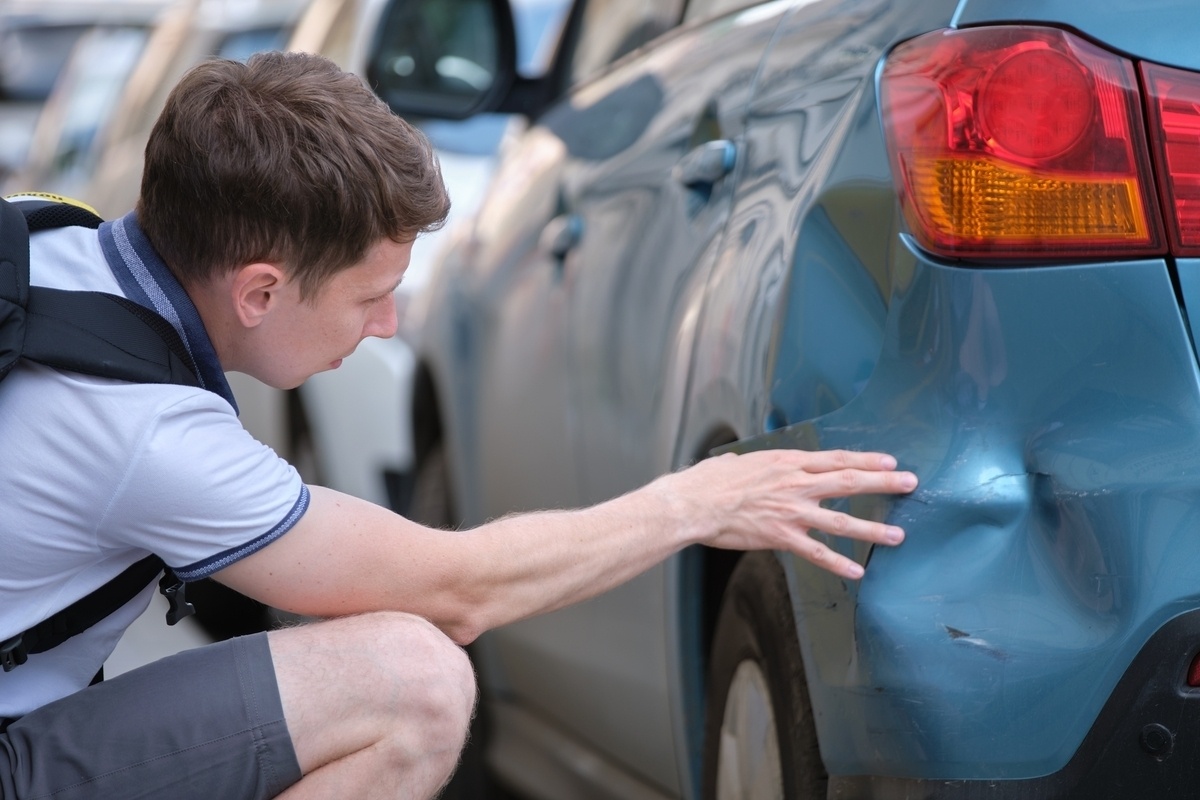
Coming back to find your car damaged by a driver who left no note and no information is one of the most frustrating situations a vehicle owner faces. The damage could be a scraped bumper or a caved-in door. Either way, the absent driver leaves you responsible for every next step.
Body shop hit and run damage repair involves more steps than a standard collision repair. There is no other driver’s insurance to contact and no information to exchange. In most cases, there is no witness either. This guide covers what a qualified auto body shop does when a hit and run brings a vehicle through the door, and what drivers should do from the moment they discover the damage.
1. Why Hit and Run Damage Requires a Different Approach
In a standard collision, both drivers are present, information is exchanged, and the insurance process has a clear at-fault party to work with. A hit and run removes all of that.
The vehicle still has physical damage that needs to be assessed and repaired. But the path to the repair involves different documentation requirements, a different insurance claim process, and often a different timeline than a two-party collision.
Body shop hit and run damage situations require the driver to take more of the initial steps independently. The quality of the documentation gathered at the scene directly affects how smoothly the body shop hit and run damage claim and the repair process proceed.
2. What Body Shop Hit and Run Damage Assessment Covers
A body shop hit and run damage assessment follows the same structural sequence as any post-collision inspection. The absence of the at-fault driver does not change what the shop needs to examine.
The assessment covers:
- Exterior documentation — photographing and recording all visible damage to panels, glass, lighting, trim, and any paint transfer left by the other vehicle
- Bumper and impact zone inspection — removing the bumper cover if applicable to inspect the energy absorber and reinforcement bar behind it
- Structural measurement — using computerized equipment to check whether the impact affected the vehicle’s frame or subframe
- Suspension check — lifting the vehicle to inspect suspension and steering components in the affected corner for displacement or damage
- Electrical and sensor scan — running a full OBD-II diagnostic to identify any fault codes generated by the impact
- ADAS sensor evaluation — physically inspecting any cameras or sensors in the impact zone for displacement or housing damage
The assessment findings form the basis of the repair estimate and the documentation submitted to the insurer. A thorough assessment is especially important in a hit and run because the insurer has no independent party to consult about the nature or severity of the impact.
For a detailed breakdown of what a complete damage assessment involves step by step, the blog on body shop collision damage assessment covers the full process.
3. Your First Steps Before the Body Shop Gets Involved
The steps a driver takes in the first minutes and hours after discovering a hit and run directly affect both the insurance claim and the repair outcome. Acting in the right order matters.
Check for injuries and ensure safety
If the hit and run occurred while the vehicle was occupied, check for injuries before anything else. If the vehicle was struck while parked and unoccupied, confirm it is stable and not creating a hazard before beginning to document the scene.
Stay at the scene
Do not move the vehicle until you have documented the damage and the immediate surroundings. Moving the vehicle too quickly may lose paint transfer, debris, or positional evidence that could help identify the other vehicle.
Look for witnesses and surveillance
Check the immediate area for people who may have observed the incident. Note any nearby businesses, parking structures, ATMs, or traffic cameras that may have captured the event on video. This information is time-sensitive, footage is often overwritten within days.
Do not approach other vehicles
If you believe the vehicle that struck yours is still in the area, do not approach it or confront the occupants. Note the plate number, make, model, and color from a safe distance and provide that information to the police.
4. How to Document the Scene Before Anything Is Moved
The documentation gathered at the scene serves as the foundation for both the police report and the insurance claim. The more thorough it is, the stronger the claim.
Document the following before the vehicle is moved:
- Photograph the full vehicle from multiple angles, capturing all visible damage
- Photograph any paint transfer on the vehicle from the other car, including color and location
- Photograph any debris at the scene including broken plastic, glass, or trim pieces
- Photograph the vehicle’s position relative to lane markings, curbs, and nearby landmarks
- Note the date, time, and exact location of the discovery
- Write down the plate numbers and descriptions of any vehicles parked nearby at the time
- Note the names and contact information of any witnesses
This documentation record is submitted with the police report and the insurance claim. A body shop hit and run damage claim without supporting scene documentation is harder to process and may result in a lower settlement than the actual repair requires.
5. Filing a Police Report and the MV-104 Form in New York
Filing a police report after a hit and run in New York is an important step that affects both the insurance claim and any potential investigation.
According to the NYPD’s guidelines on non-injury vehicle collisions, leaving the scene of a collision before exchanging information with other motorists is illegal under the New York State Vehicle and Traffic Law. A report of the hit and run should be filed at the local precinct or through the NYPD online reporting system.
New York State also requires that a Report of Motor Vehicle Crash (MV-104) be filed with the DMV within 10 days of a collision if the damage to any one person’s property exceeds $1,000. Failure to file within this window can result in suspension of the driver’s license. The MV-104 form is available at any police precinct or can be downloaded from the DMV website.
The police report number is required by most insurers when filing an uninsured motorist or collision claim after a hit and run. Getting this report filed promptly keeps all downstream steps on track.
6. How Insurance Coverage Works Without an At-Fault Driver
A hit and run removes the standard third-party liability path for recovering repair costs. New York drivers have two primary coverage types that apply in this situation.
Uninsured motorist coverage
According to the New York State Department of Financial Services, uninsured motorist coverage is mandatory in New York and specifically protects drivers injured by a hit-and-run motorist. This coverage primarily applies to bodily injury, not to property damage to the vehicle. Drivers who sustained injuries in addition to vehicle damage should file under this coverage for medical and related costs.
Collision coverage
For vehicle damage repair after a hit and run, collision coverage is the applicable policy. It pays for damage to your vehicle caused by a collision regardless of fault. If the driver who struck the vehicle is never identified, collision coverage is how the vehicle repair is funded. A deductible applies.
Comprehensive coverage
If the vehicle was damaged in a hit and run involving a stationary object rather than another moving vehicle, comprehensive coverage may apply. The specific policy language determines which coverage path is correct. Checking with the insurer before filing avoids filing under the wrong coverage type.
Notifying the insurer promptly after a hit and run and providing the police report number and scene documentation initiates the claim and keeps the repair timeline on track.
7. What the Body Shop Hit and Run Damage Repair Process Involves
Once the insurance claim is initiated and the vehicle is at the shop, the repair follows the same professional sequence as any collision repair.
The repair process includes:
- Structural assessment and measurement — confirming whether the impact affected the frame or structural components beyond the surface damage
- Panel repair or replacement — addressing dented, creased, or damaged exterior panels using techniques appropriate to the damage type
- Paint matching and refinishing — color-matching repaired panels to the vehicle’s existing finish and blending into adjacent panels where required
- Glass and lighting replacement — replacing any broken or cracked glass, headlight assemblies, or tail light units
- ADAS sensor recalibration — recalibrating any cameras or sensors that were in the impact zone or displaced during the repair
- Post-repair inspection — verifying panel alignment, paint quality, warning light status, and all reinstalled hardware before delivery
According to the NY DMV Know Your Rights in Auto Repair, registered repair shops in New York must provide a written estimate before beginning any work. After the repair is completed, a final invoice must list every part and its cost. Keeping both documents supports any follow-up with the insurer.
For a full picture of the body work and structural repair process from assessment through delivery, the body work and car repair service page covers the complete scope of post-collision repair.
8. What Drivers Should Ask Before Authorizing Any Work
Before approving any repair after a hit and run, ask these specific questions:
- Was a full structural measurement performed as part of the damage assessment?
- Were the bumper components behind the cover inspected after removal?
- Was an OBD-II scan run across all vehicle modules?
- Were any ADAS sensors or cameras in the impact zone evaluated?
- Is the estimate based on full assessment findings or likely to require supplements after disassembly?
- What type of parts will be used, OEM or aftermarket, for each repaired component?
- Will a road test be performed before the vehicle is returned?
- What warranty covers the repair work?
A qualified body shop that handled a thorough assessment before writing the estimate will answer all of these clearly.
9. Frequently Asked Questions
Filing a police report is strongly recommended after any hit and run in New York, even when no injuries occurred. Most insurers require the report number to process a hit and run claim. New York State also requires the MV-104 crash form to be filed with the DMV within 10 days if property damage exceeds $1,000.
If the driver is later identified through witnesses, camera footage, or other means, the claim process shifts from an uninsured motorist or collision claim to a liability claim against the at-fault driver’s insurer. The police report and scene documentation you gathered become important evidence in this process.
This depends on the insurer and the policy. Many insurers do not apply a surcharge for a not-at-fault claim such as a hit and run. Reviewing the policy terms or contacting the insurer before filing helps clarify what to expect.
The timeline depends on the extent of the damage, parts availability, and whether structural work is required. A straightforward surface repair may take a few days. A repair involving panel replacement, structural correction, and ADAS recalibration takes longer.
Document the note and provide it to the police when filing the report. If the information turns out to be false, the claim still proceeds as a hit and run under your own policy coverage. The false note may become relevant to the police investigation.
Choose a registered repair shop that performs a thorough damage assessment before writing the estimate, including structural measurement and an electronic diagnostic scan. For a reference on what a complete hit and run repair looks like at a professional South Brooklyn facility, the auto body shop near Coney Island page covers the full service scope.
10. Knowing What to Do Before It Happens
Body shop hit and run damage situations are stressful partly because they are unexpected and partly because they require the driver to act quickly without the guidance of a two-party exchange.
Knowing what to do before it happens changes that. Document the scene thoroughly. File the police report promptly. Notify the insurer with the report number and scene photographs. Choose a shop that performs a thorough assessment before committing to a repair scope.
The repair itself follows the same professional process as any post-collision body shop hit and run damage repair. What changes is how well-positioned the driver is to support the claim and ensure the full scope of damage is addressed.
💡 Key Takeaways
- Body shop hit and run damage repair requires additional documentation steps before the shop can begin its part of the process
- Document the scene thoroughly before moving the vehicle, paint transfer, debris, and positional evidence can help identify the other vehicle
- File a police report at the local precinct or through the NYPD online system and obtain the report number before contacting the insurer
- New York requires the MV-104 crash form to be filed with the DMV within 10 days if property damage exceeds $1,000
- Collision coverage is the applicable policy for vehicle damage in a hit and run, uninsured motorist coverage primarily applies to bodily injury
- A thorough body shop assessment including structural measurement, bumper removal, and electronic diagnostics is as important in a hit and run repair as in any other collision
- Under New York’s Repair Shop Act, drivers have the right to a written estimate before work begins and must authorize any work beyond the original estimate
- ADAS sensors and cameras in the impact zone must be evaluated and recalibrated as part of a complete hit and run repair
HAVE QUESTIONS ABOUT REPAIRING YOUR VEHICLE AFTER A HIT AND RUN?
Understanding what body shop hit and run damage repair involves helps drivers act quickly and correctly after the incident. If you have questions about the assessment or repair process, our team is available to help.
References
- NYPD — Non-Injury Vehicle Collisions: https://www.nyc.gov/site/nypd/services/vehicles-property/non-injury-vehicle-collisions.page
- NY DMV — Know Your Rights in Auto Repair: https://dmv.ny.gov/know-your-rights-in-auto-repair
- NY DFS — Auto Insurance Information for Consumers: https://www.dfs.ny.gov/consumers/auto_insurance