

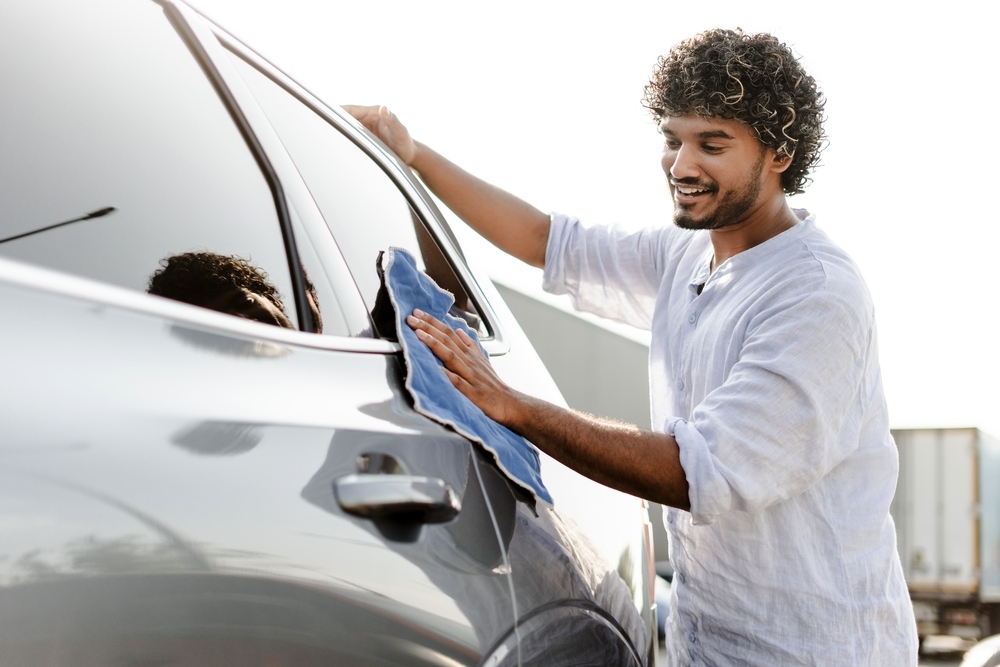
Washing your car too soon after auto body repairs is one of the most common and costly mistakes drivers make. The general rule is to wait at least 30 days before washing and 60 to 90 days before waxing or polishing. Keep contact with the painted surface minimal, park in covered areas when possible, and handle any contaminants gently with a damp microfiber cloth. If you have questions about caring for your vehicle after a repair, a qualified collision technician can walk you through the right aftercare steps for your pecific situation. To learn more about what professional repairs involve, visit our uto body repair and collision services page.
Why Fresh Paint Needs Time to Cure
When an auto body shop applies new paint to your vehicle, it goes on in multiple layers. A primer coat goes on first, followed by the base coat that provides the color, and finally a clear coat that protects the paint and gives it its shine. Each of these layers needs time to harden and bond properly.
The drying process and the curing process are not the same thing. Paint can feel dry to the touch within hours, but it is not fully cured for a much longer period. During that in-between stage, the paint is still off-gassing solvents and hardening at a molecular level. According to the EPA’s automotive refinishing standards, automotive paints contain specific chemical compounds that require controlled conditions and adequate time to reach full hardness and durability.
Any abrasion, harsh chemical, or prolonged water exposure during this window can leave permanent marks. This is why the answer to how long you should wait is not as simple as a single number. It depends on the type of paint used, the conditions the vehicle was stored in after painting, and what kind of washing you plan to do.
How Long to Wait Based on Wash Type
Different types of washing carry different levels of risk to fresh paint. Here is a breakdown of the recommended waiting periods for each:
Automatic Car Wash — Wait at Least 30 Days
Automatic car washes, particularly those with spinning brushes or abrasive cloth strips, are the most damaging option for fresh paint. The physical friction combined with strong detergents can scratch, dull, or strip the clear coat on paint that has not fully cured. Wait a minimum of 30 days before using any automatic car wash after auto body repairs, and even then, touchless options are safer than brush-based washes.
Hand Washing — Wait at Least 30 Days
Even hand washing carries risk if done too early. Sponges, wash mitts, and microfiber cloths all introduce some level of friction, and soaps that are not pH-neutral can chemically affect uncured paint. Wait at least 30 days before hand washing, and when you do, use a pH-neutral car wash soap, a clean microfiber wash mitt, and gentle pressure only.
Waterless or Rinseless Wash Products — Wait at Least 60 Days
Waterless wash products that require wiping the surface dry introduce more friction than a full rinse wash and should be avoided for even longer after a repair. Wait at least 60 days before using these products on repaired panels.
Waxing and Polishing — Wait at Least 60 to 90 Days
Wax and polish products should not be applied to freshly painted surfaces for at least 60 to 90 days. Many waxes contain abrasives or chemicals that can interfere with the curing process and leave the paint looking hazy or uneven. After the curing period, a quality carnauba wax or paint sealant will help protect the new finish long-term.
What to Avoid in the First 30 Days After Auto Body Repairs
Beyond washing, there are several other things that can damage fresh paint during the curing period that many drivers are not aware of.
Parking Under Trees
Tree sap, bird droppings, and falling debris are particularly damaging to uncured paint because the surface is still soft enough to absorb and retain contaminants. If possible, park in a garage or covered structure during the curing period. If you must park outside, check the vehicle regularly and remove any droppings or sap as gently as possible using a damp microfiber cloth.
Leaving Wet Surfaces to Air Dry
Water spots form when water evaporates and leaves mineral deposits behind. On cured paint, water spots are a nuisance. On uncured paint, they can etch into the surface permanently. If your vehicle gets wet from rain, gently blot the surface dry with a clean microfiber cloth rather than letting it air dry.
Using Gasoline or Harsh Chemicals Near Repaired Panels
Be careful when fueling up in the first few weeks after a repair. Gasoline spills on fresh paint can cause staining or softening of the clear coat. Wipe any spills immediately and gently with a clean cloth.
Driving on Gravel Roads or in Heavy Road Debris
Stone chips and road debris are a risk to any paint job, but fresh paint is especially vulnerable because the clear coat has not yet reached full hardness. Avoid gravel roads and follow at a greater distance behind trucks or heavy vehicles in the first 30 days after your repair.
Placing Anything on the Hood or Panels
Avoid placing bags, cups, tools, or anything else directly on freshly painted panels. Even light objects can leave impressions or scratches in paint that has not fully hardened.
What You Can Do to Keep Your Car Clean During the Waiting Period
Waiting 30 days does not mean your car has to stay dirty. There are safe ways to remove light dust and surface debris without risking damage to fresh paint.
- Use a soft, clean microfiber cloth to gently wipe away light dust
- If the vehicle gets rained on, blot dry with a clean microfiber towel using light pressure
- For bird droppings or sap, dampen a microfiber cloth with clean water and gently lift the contaminant rather than rubbing it
- Avoid any product that requires scrubbing, buffing, or sustained friction during the first 30 days
The goal during the curing period is minimal contact and maximum gentleness. Less is more when it comes to caring for fresh paint.
What to Ask Your Auto Body Shop Before You Leave
Every paint job is slightly different depending on the products used, the number of coats applied, and the shop’s specific process. Before you drive away, ask the following questions so you have guidance specific to your repair:
- What type of paint and clear coat was used on my vehicle?
- How long do you recommend waiting before washing?
- Are there any specific products I should avoid on the repaired panels?
- Does the repair come with a paint warranty, and does washing too soon void it?
A reputable shop will have clear answers to all of these questions and will provide aftercare guidance as a standard part of handing your vehicle back to you. For more on what the full repair process involves from start to finish, read our guide on the auto body repair timeline and our breakdown of types of collision damage that require auto body repair.
How to Care for Your Paint Long-Term After the Curing Period
Once the 30 to 90 day curing period has passed, your repaired paint can be cared for the same way as the rest of your vehicle. Here are the best practices for keeping fresh auto body paint looking its best long-term:
- Wash regularly using a pH-neutral car wash soap and a clean microfiber wash mitt
- Apply a quality wax or paint sealant every three to six months for ongoing protection
- Address bird droppings, tree sap, and road tar promptly before they have time to bond with the clear coat
- Consider a paint protection film on high-impact areas like the hood and front bumper if your vehicle sees a lot of highway driving
- Park in covered or shaded areas when possible to reduce UV exposure, which fades paint over time
The NHTSA recommends regular vehicle maintenance and care as part of keeping your vehicle in safe, roadworthy condition, which includes protecting the structural and cosmetic integrity of exterior panels after repairs. For a full overview of what proper body work and paint repair looks like and what standards to expect from a quality shop, visit our body work and car repair service page.
Frequently Asked Questions
A gentle rinse with plain water is lower risk than a full wash, but it is still not completely without risk in the first 30 days. If water sits on the surface and air dries, it can leave water spots that etch into uncured paint. If you rinse, follow immediately with a gentle blot dry using a clean microfiber towel and avoid any rubbing or friction.
Washing too soon can cause swirl marks, scratches, water spots, or chemical damage to the clear coat before it has fully hardened. In some cases, this damage is permanent and requires repainting the affected panel. The cost of a premature wash mistake can easily exceed the cost of simply waiting.
Yes. Heat and good airflow speed up the curing process, while cold and humidity slow it down. If your vehicle was repaired during winter months or in a cold, damp environment, err on the longer end of the recommended waiting periods. Ask your shop whether their paint booth conditions affected the curing time for your specific repair.
No. Waterless wash products require wiping the surface dry, which introduces friction that can scratch or dull uncured paint. Wait at least 60 days before using any waterless or rinseless wash product on repaired panels.
It can. Many auto body shops include paint warranty terms that specify proper aftercare as a condition of the warranty. Washing too soon, using the wrong products, or using an automatic brush car wash could void your warranty coverage. Always ask for the warranty terms and aftercare instructions in writing when you pick up your vehicle.
Conclusion
Washing your car too soon after auto body repairs is one of the most common and costly mistakes drivers make after picking up their vehicle. The general rule is to wait at least 30 days before any washing and 60 to 90 days before waxing or polishing. During that window, keep contact with the painted surface minimal, park in covered areas when possible, and address any contaminants gently with a damp microfiber cloth.
Following these steps protects your repair investment and keeps your paint looking its best for the long term. If you have questions about what aftercare steps apply to your specific repair, do not hesitate to reach out to the shop that handled your vehicle. A reputable shop will always be willing to walk you through the right care instructions before you leave.
Disclaimer
The information provided in this article is intended for general informational purposes only. Paint curing times, recommended waiting periods, and aftercare instructions vary depending on the paint products used, application conditions, and vehicle-specific factors. Always follow the specific aftercare guidance provided by your auto body shop. This article does not constitute professional automotive advice. Cyclone Collision Center is not liable for any decisions made based on the information presented in this article.
References
Federal Trade Commission. (2024). Buying and maintaining a vehicle. https://consumer.ftc.gov/cars
I-CAR. (2024). Refinishing and paint curing after collision repair. https://www.i-car.com
National Highway Traffic Safety Administration. (2024). Vehicle maintenance and safety. https://www.nhtsa.gov/road-safety/vehicle-safety-maintenance
Occupational Safety and Health Administration. (2024). Automotive repair and refinishing safety. U.S. Department of Labor. https://www.osha.gov/automotive-repair
PPG Industries. (2023). Automotive refinish paint care and maintenance. https://us.ppgrefinish.com
3M Automotive. (2024). Post-collision repair paint care recommendations. https://www.3m.com/3M/en_US/automotive-oem-us/solutions/repair/