

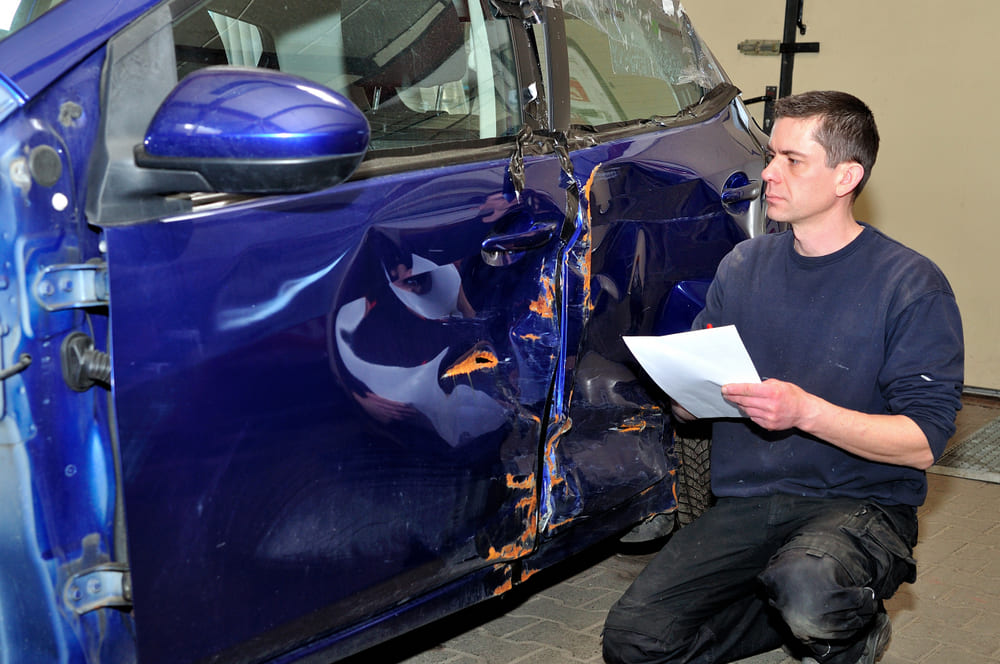
You just had an accident. Will your insurance pay for the damage? How much will come out of your pocket? Do you even have the right coverage?
Car insurance auto body repair coverage is one of the most misunderstood areas of personal auto insurance. Most drivers assume their policy covers everything after a crash. The reality is what gets paid depends entirely on what type of coverage you carry, who was at fault, and what kind of damage occurred.
This guide breaks down exactly how each coverage type works, what it pays for, and what it does not, so you know where you stand before you file an insurance claim or schedule repairs.
Four Types of Car Insurance Coverage
Not all car insurance policies are created equal. A basic liability-only policy and a full coverage policy look very different when your car needs bodywork after an accident. The key is understanding which part of your policy applies to which type of damage.
There are four main coverage types that affect car insurance auto body repair outcomes:
- Collision coverage
- Comprehensive coverage
- Liability coverage
- Uninsured or underinsured motorist coverage
Each one applies to a different scenario. Knowing which one you have and when it applies is the difference between a covered repair and a bill you pay entirely on your own.
Collision Coverage
Collision coverage pays for damage to your vehicle when it collides with another car, a guardrail, a pole, or any other object, regardless of who was at fault. If you were in a two-car accident and your front end is damaged, collision coverage is what pays for those repairs.
According to the Insurance Information Institute (2025), collision coverage reimburses you for the costs of repairing your car, minus your deductible, and applies whether or not you were at fault in the accident.
Here is what collision coverage typically includes for auto body repair:
- Bumper and fender repair or replacement
- Hood and door panel repair
- Frame damage from the impact
- Paint repair on damaged panels
- Structural repairs caused by the collision
Collision coverage comes with a deductible, the amount you pay before your insurance kicks in. Common deductible amounts range from $250 to $1,000. If your repair costs $3,000 and your deductible is $500, your insurance pays $2,500.
One important note: collision coverage is optional in New York unless your vehicle is financed or leased. Lenders typically require it as a condition of your loan or lease agreement. If you own your car outright and chose a liability-only policy to save on premiums, collision coverage may not be part of your plan.
Comprehensive Coverage
Comprehensive coverage handles damage that happens to your vehicle outside of a collision. This includes weather events, theft, vandalism, falling objects, and animal strikes.
The Insurance Information Institute (2025) notes that comprehensive covers damage caused by disasters other than collisions and typically costs significantly less than collision coverage.
Common car insurance auto body repair scenarios covered under comprehensive include:
- Hail damage to your roof, hood, and panels
- Vandalism such as keyed paint or broken windows
- Storm damage from fallen tree branches
- Flood damage to the vehicle exterior and interior
- Damage from hitting an animal
Like collision coverage, comprehensive also carries a deductible, typically ranging from $100 to $500.
For Brooklyn drivers, comprehensive coverage is particularly relevant. Vehicles parked on the street are exposed to hail storms in spring and summer, falling debris, and occasional vandalism. If your car sustains panel damage or paint damage from any of these causes, comprehensive is what covers the repair, not collision.
Liability Coverage
Liability coverage is required in New York State. As the New York State DMV (2025) confirms, you must have New York State-issued automobile liability insurance coverage to register a vehicle, and failure to maintain that coverage can result in registration and license suspension.
Liability covers damage you cause to other people and their property when you are at fault in an accident. If you rear-end another driver, your liability coverage pays for the damage to their vehicle.
What liability coverage does not do is pay for repairs to your own car.
This is where many drivers are caught off guard. They assume their insurance will cover their vehicle because they were insured. But if you carry liability-only coverage and you caused the accident, your car’s repairs come entirely out of your pocket. Liability protects others from your mistakes. It does not protect your vehicle.
| Coverage Type | Pays for Your Car? | Pays for Other Car? | Requires Fault? |
|---|---|---|---|
| Collision | Yes | No | No |
| Comprehensive | Yes | No | No (non-collision event) |
| Liability | No | Yes | Yes (you at fault) |
| Uninsured Motorist | Yes | No | No (other driver uninsured) |
Uninsured and Underinsured Motorist Coverage
New York has a meaningful rate of uninsured drivers. Uninsured motorist coverage protects you when you are hit by a driver who has no insurance at all. Underinsured motorist coverage applies when the at-fault driver has insurance but their policy limits are not high enough to cover your full repair costs.
The New York State Department of Financial Services (2025) advises that consumers in New York have the option to expand basic uninsured motorist protection through Supplementary Uninsured/Underinsured Motorists coverage, which can provide additional protection in accidents where the other driver’s limits fall short.
Both coverage types are important for auto body repair protection, particularly in a high-traffic urban environment like Brooklyn where the odds of encountering an uninsured driver are real. If your vehicle sustains significant body damage in a hit-and-run or from a driver with no insurance, uninsured motorist coverage is often what stands between you and paying for the entire repair out of pocket.
How to File a Car Insurance Auto Body Repair Claim
If you decide to go through insurance, here is how the process typically works:
Step 1: Document the Damage at the Scene
Take photos of all damage to your vehicle, the other vehicle if applicable, the surrounding area, and any relevant road conditions. Get the other driver’s insurance information, license plate, and contact details.
Step 2: File the Claim Promptly
Contact your insurance company as soon as possible after the accident. Most insurers have a claims hotline available 24 hours a day. Delaying your claim can complicate the process and in some cases affect coverage eligibility.
Step 3: Get an Estimate from a Qualified Body Shop
Your insurer may direct you to a preferred shop or send an adjuster to inspect your vehicle. You generally have the right to choose your own repair shop in New York. An independent estimate from a qualified body shop gives you a baseline to compare against the insurer’s offer.
Step 4: Review the Adjuster’s Estimate Carefully
Insurance adjusters work for the insurance company. Their initial estimate may not account for hidden damage, parts availability, or the full scope of structural repairs needed. A reputable auto body repair shop can identify additional damage during the repair process and work directly with your insurer to supplement the claim.
Step 5: Authorize Repairs and Confirm Coverage
Once the estimate is approved, authorize the repairs. Confirm in writing what is covered, what your deductible amount is, and whether your policy includes rental car coverage while your vehicle is being repaired. If you need a vehicle while yours is being fixed, our car rental service is available to keep you moving.
Frequently Asked Questions
No. Liability insurance only covers damage you cause to other people’s vehicles and property. If you caused the accident and carry liability-only coverage, repairs to your own vehicle are your responsibility unless you also have collision coverage.
Filing a claim can affect your premium at renewal, particularly if you were at fault. The increase depends on your insurer, your claims history, and the size of the claim. For minor repairs close to your deductible amount, it is worth calculating whether paying out of pocket makes more financial sense long-term.
Yes. New York law gives you the right to choose your own repair facility. Your insurer may recommend preferred shops, but you are not required to use them. Choosing a shop with direct experience handling insurance claims can simplify the process considerably.
This happens more often than most drivers expect. A qualified body shop can document additional damage discovered during the repair process and submit a supplemental claim to your insurer. Most insurers have a process for supplement approvals. Having an experienced shop advocate for the full repair scope on your behalf matters here.
Yes. Hail damage is a covered peril under comprehensive insurance. If your vehicle sustained dents, broken glass, or paint damage from a hail storm, you would file a comprehensive claim rather than a collision claim. Your comprehensive deductible would apply.
Collision coverage applies when your vehicle makes contact with another object, whether another car, a barrier, or a fixed structure. Comprehensive applies to damage caused by events outside your control that do not involve a collision, such as weather, theft, vandalism, or animals. Both cover auto body repairs but under different circumstances.
Understand Your Car Insurance Coverage Before You Need It
Car insurance auto body repair coverage is not something most drivers think about until they are standing next to a damaged vehicle trying to figure out what comes next. The policy type you carry determines whether repairs are covered, how much you pay out of pocket, and how smoothly the claims process goes.
Collision coverage handles crash damage. Comprehensive handles everything else. Liability protects others but not your own car. And no-fault insurance covers injuries, not property damage. Knowing which coverage applies to your situation before an accident happens puts you in a much stronger position when it matters most.
To understand how the claims process works from the body shop side, visit our insurance claims page for more information on what to expect.